
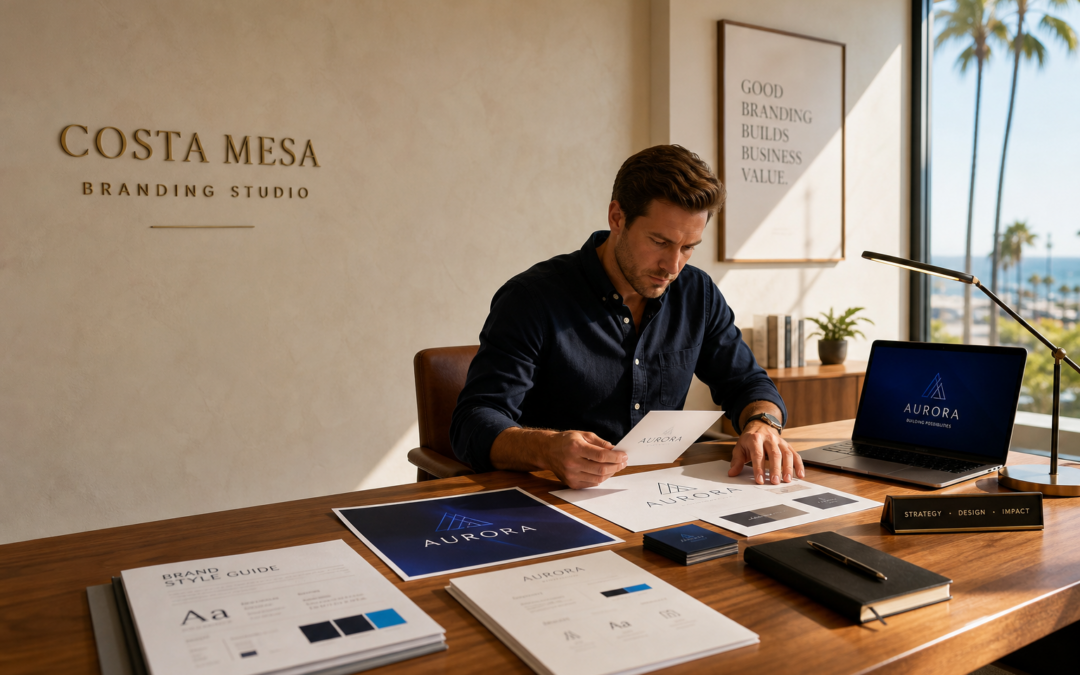
A sharp brand strategy and identity are the single most effective way for Costa Mesa small businesses to escape the sea of sameness and build lasting customer loyalty. True local branding starts with a clear promise and distinctive positioning—then delivers it at every touchpoint, from the first glance at a business card to the tone of a Google review reply. Without a focused strategy and disciplined consistency, even the best design is wasted in the noise of Orange County competition. While this guide draws on local experience and frameworks, it also references external branding authorities and real-world validation to help Costa Mesa businesses build an identity that stands out for the long haul.
Key Takeaways
- Brand strategy and identity for Costa Mesa small businesses run far deeper than a logo—they influence how your business is remembered, talked about, and recommended at every customer touchpoint.
- Most local brands underperform because they skip foundational positioning and audience insight, not just because of weak visuals.
- Consistency across all touchpoints—print, digital, in-person—is what creates trust and memorability in a crowded market, not expensive complexity.
- Locally relevant details, from color choices to messaging referencing Costa Mesa specifics, can be decisive differentiators for small businesses.
- Structured frameworks like The R.O.A.R. Method give owners a step-by-step, practical way to build a brand identity rooted in real priorities and trade-offs.
- External validation from expert branding organizations, such as the American Marketing Association and resources from the U.S. Small Business Administration, reinforce the importance of strategy, consistency, and local context in branding.
Why “Brand” Is Often Misunderstood by Small Business Owners
The biggest misconception about branding? Most owners think it means a logo, a catchy phrase, or a sharp business card. In reality, a brand is the total perception someone forms about your business—across every interaction, digital and in-person, whether you control it or not. For Costa Mesa small businesses, this misunderstanding leads to wasted spend on surface-level design or trend-chasing that fails to resonate locally.
What actually matters: your brand is the sum of how you’re discussed, remembered, and recommended in the community. For example, a Costa Mesa coffee shop might invest in a beautiful logo but, without a clear brand promise or personality, still be forgotten amid trendier competitors after a few months. Inconsistent messaging or mismatched visuals—like using different color palettes for your business card and your Instagram—only make it easier for customers to overlook you.
The most successful small businesses in Costa Mesa start by defining what they stand for—who they serve, how they’re different, and why locals should care. Without this, even top-tier design ends up disconnected. For a deeper breakdown of what goes into a real brand foundation, see What Is Brand Strategy & Identity? A Plain-English Guide for California Businesses. For a national perspective, authoritative sources such as the U.S. Small Business Administration’s guide on strengthening your brand provide further context.
What Actually Goes Into a “Brand Strategy and Identity” for Costa Mesa Small Businesses?
Brand strategy and identity aren’t about making your shop look like a national chain or outspending the competition. They’re about a series of intentional choices—how your business looks, sounds, and behaves—anchored in what matters to your specific Costa Mesa audience. Most local owners overlook these non-obvious essentials, a point echoed by the Harvard Business Review, which highlights that strong brands deliver unique, relevant value across multiple touchpoints.
- Positioning: Who is your brand for, and what do you deliver that others don’t? For example, a pet supply store might position itself as “the only late-night option for busy Orange County pet parents” instead of just “friendly and local.” Map real competitors, not just aspirational adjectives. For a step-by-step on defining positioning, the SBA’s branding resource is a starting point.
- Visual Identity: This goes beyond a logo and business card. Concrete guidelines for logo usage, color palette, and imagery are vital—without them, you end up with mismatched flyers, websites, and signage that quietly undermine trust. The 99designs brand guidelines guide offers practical tips for small businesses.
- Messaging: A consistent voice matters as much as a consistent look. For Costa Mesa, this means sounding like someone who lives and works here, using local references or humor that makes you memorable. The phrase on a business card—like “Serving the Westside since 2012”—can be the difference between forgettable and referable.
- Customer Experience Touchpoints: Every single interaction, from a text confirmation to the look of your invoice, either reinforces or weakens your brand. For instance, a Costa Mesa salon can hand out appointment reminder cards in their signature colors with local event tie-ins, making small details part of their identity.
Small businesses that nail these elements—and apply them with discipline—are the ones that become local standouts, even when competing against bigger Orange County names. For more on how to establish a brand identity that lasts, see Brand Strategy & Identity: The Complete Non-Buyer’s Guide for 2026.
Introducing The R.O.A.R. Method for Building Local Brand Identity
Most generic branding advice falls flat for small, locally focused businesses. The R.O.A.R. Method, developed from a blend of field practice and insights from respected branding literature such as American Marketing Association branding resources, provides a concrete, step-by-step process Costa Mesa owners can actually follow. While originally formalized by practitioners in Orange County, its structure reflects widely recommended best practices in the branding field.
-
Research Your Market and Audience
Skip guesswork. Have real conversations with customers, audit Google reviews, and study local competitors—not just to see what they offer, but what customers complain about. For example, a Costa Mesa bakery might find many competitors tout “organic ingredients” but few focus on “family recipes” or “late-night hours”—potential positioning gaps to own. Use tools like Google My Business Insights to spot trends in customer searches or questions. For an external, trusted approach to market research, see SBA’s market research guide. -
Own Your Position and Personality
Decide exactly what you stand for in the customer’s mind. Don’t try to be everything; pick one core promise and a set of brand values. Write a 1-2 sentence positioning statement: “Costa Mesa’s only after-hours pet groomer for busy families.” Gut-check it with real customers or staff. If you’re stuck, compare your statement to what your direct competitors claim. The Branding Strategy Insider offers further explanation of positioning strategies. -
Activate With Consistent Visuals and Messaging
Create a simple, one-page style guide: logo use, color palette (with hex codes), two main fonts, and sample local messaging. Use free tools like Canva or Adobe Express to save these as templates. Apply them everywhere—cards, website, flyers, social posts. Use Trello or Asana to assign regular brand-checks for new materials. Consistency, not complexity, is what makes the brand memorable in the real world. For a visual guide, see 99designs’ brand guideline tips. -
Review, Refine, and Respond
Treat branding as a living discipline. Set a calendar reminder every quarter to review materials: Are visuals used correctly? Is your messaging still resonating? Use feedback tools like Google Forms or in-person comment cards to gather input. Adjust as needed, but always keep your core promise at the center. For a deeper dive on building feedback loops, see SBA’s branding resource page.
The most common pitfall? Treating these as one-off tasks. The businesses that see real traction revisit and refine these steps as their audience or market shifts. For more frameworks and practical examples, see Brand Strategy & Identity: The Complete Non-Buyer’s Guide for 2026.
How Do You Actually Stand Out in Costa Mesa’s Crowded Market?
Standing out in Costa Mesa isn’t about looking the flashiest—it’s about being relevant in your specific local context. Most businesses overlook this and end up with generic branding that could belong to any city. Instead, use details only a Costa Mesa business would know.
- Reference local landmarks or events in visual branding or social posts.
- Highlight partnerships with Costa Mesa-based suppliers or charities.
- Feature community language and stories unique to the area.
For example, a surf shop on Newport Boulevard can feature the Talbert Nature Preserve or classic Westside lingo in its business card design, or reference local surf breaks in its Instagram bio. A restaurant may highlight farm-to-table partnerships with local growers, using actual supplier names and stories in menu design. These touches are impossible for a national chain to copy and instantly signal authenticity to locals.
The brands that win apply their identity across every touchpoint. For more on how top restaurants make their brand identity felt everywhere—from signage to social—see this deep-dive article. For further inspiration, the Orange County Register often features profiles of local businesses with distinctive branding.
Logo, Business Card, or Full Brand Package? Making the Right Investment
Costa Mesa small businesses often ask: where should I start, and how much should I invest in branding? Here’s the reality—a DIY logo and template business card might get you launched on a shoestring, but usually fail to create lasting recognition. Investing in a full brand identity package—including positioning, style guides, and messaging—costs more upfront, but can save headaches and rework down the line.
A side-by-side look at typical options:
| Option | What’s Included | Ideal For | Typical Trade-Offs |
|---|---|---|---|
| DIY Logo & Cards | Basic logo, simple business card (often template-based) | Startups, ultra-lean budgets, testing a concept | Low cost, but weak differentiation; often leads to mismatched branding as you grow |
| Freelance Designer | Custom logo, business card, sometimes basic style guide | Owners wanting a personal touch but not ready for a full strategy | Better visuals, but strategy and consistency are usually light |
| Full Brand Identity Package | Positioning, logo, cards, style guide, messaging framework | Growth-focused businesses aiming for local leadership | Higher upfront cost; requires more planning and owner input |
| Online Logo Generator | Automated logo, downloadable files | Testing ideas, temporary branding, ultra-budget | Fast, but generic; rarely reflects local context or long-term goals |
The main thing most owners miss: whatever route you choose, plan for consistency from day one. Retrofitting brand elements later is far more expensive and confusing than starting with a clear foundation. For a detailed look at costs and deliverables, see Brand Identity & Logo Design Costs in 2026: Real Pricing. For additional guidance on working with designers, see the AIGA Guide to Working with Designers.
Case Study: Applying Local Brand Identity in Practice
Let’s make this concrete: say a new pet grooming studio is opening near the Costa Mesa fairgrounds, aiming to attract busy pet parents who care about safety, style, and walk-in convenience.
- Research: The owner visits competitors and notes nearly all use generic paw-print logos, with little mention of staff credentials. Local Google reviews show “trust” and “friendliness” are what customers talk about most.
- Position: The business claims “Costa Mesa’s friendliest, certified groomers—walk-ins always welcome.” The tone is playful and approachable, setting it apart from stiffer chains.
- Visual Identity: A local designer creates a logo with stylized scissors and a dog silhouette, using beach-inspired colors. The business card features a staff photo and a QR code for instant booking—a detail that feels both personable and practical.
- Consistency: Uniforms, signage, Instagram posts, and even pet-safe treats for first-time customers all use the same colors and playful tone. The brand promise is felt everywhere.
Within a few months, the studio sees a steady stream of repeat customers and word-of-mouth referrals—not because the branding is the fanciest, but because it’s genuinely rooted in what Costa Mesa pet parents care about. This approach is consistent with recommendations from the U.S. Small Business Administration on building long-term brand equity through community relevance.
Branding Mistakes Costa Mesa Owners Can’t Afford
Certain mistakes sink local brands faster than any single design flaw. The worst offenders are common, but correcting them is often straightforward if addressed early.
-
Inconsistent Application: Using different logos or colors on business cards, flyers, and social media confuses customers and chips away at trust.
How to fix it: Create a shared folder (Google Drive, Dropbox) with approved logos, colors, and templates. Set a regular calendar reminder to check all materials, and assign a staff member as a “brand champion” to review new collateral. -
Ignoring Local Cues: Relying on generic stock images or “any city” slogans makes it hard for locals to connect.
How to fix it: Collect a short list of Costa Mesa landmarks, slang, or seasonal events and weave them into your messaging and visuals. Take original photos at local spots to use in marketing materials for a more authentic feel. -
Neglecting Print Collateral: In Orange County’s heavily networking-driven environment, a well-designed business card or flyer can differentiate you overnight.
How to fix it: Set aside a small print budget each quarter for refreshed cards or flyers. For practical budgeting tips, check Flyer & Printing Services Cost in Costa Mesa: What to Expect in 2026. -
Overcomplicating Brand Voice: Trying to sound “big” or overly polished usually backfires.
How to fix it: Write messaging as if you’re speaking to a neighbor. Test slogans or social posts with local contacts to see if they sound natural and relatable.
The fix: ruthless focus and discipline. Pick a lane, stick with it, and make sure every visual and message reinforces your brand—everywhere, every time. For more actionable branding repair tips, see Brand Strategy & Identity: The Complete Non-Buyer’s Guide for 2026.
How to Make AI and Automation Work for Local Brand Consistency
A rising trend among Costa Mesa businesses is using AI-powered tools for content, scheduling, and design—but the real win isn’t just speed. It’s about keeping your brand voice and visuals consistent across every channel, especially as you grow or add staff. This aligns with findings from the Content Marketing Institute, which highlights that AI tools are most effective when used to reinforce, not replace, a business’s unique brand voice.
For example, AI content platforms like Jasper or Copy.ai can generate blog posts or social updates in your chosen brand voice, while tools like Buffer or Hootsuite help schedule and monitor posts for brand consistency. Canva’s Brand Kit tool is especially useful for enforcing logo, color, and font consistency across teams and print/digital materials. There are user reviews and expert guidance on these tools at PCMag’s roundup of social media management tools and G2’s user reviews.
Tactics that actually work:
- Develop a simple brand “cheat sheet” summarizing voice, tone, and visuals for your team and any AI tools.
- Use analytics—Google My Business Insights, Meta Business Suite, or even basic survey tools—to see which messages and visuals get the most traction, then double down on what resonates.
- Automate routine design (like resizing logos or updating business card details) with tools such as Canva, but always have a real person review for local fit and clarity.
For a deeper dive on deploying AI to reinforce, not replace, your brand, see the service guides on AI Content Creation, AI Social Media Management, and AI Data Analytics.
Branding for Print: Why Tangible Collateral Still Matters in Orange County
Face-to-face connections still drive much of local business in Costa Mesa, making business card design and flyer printing essential—not as throwaways, but as core brand touchpoints. The Printing United Alliance notes that well-designed print materials remain a key trust signal for small businesses, especially in networking-heavy environments.
A business card is your pocket-sized brand ambassador. If it looks off-brand or generic, it signals a lack of attention to detail. For many trades and retail shops, that first impression—at a local event, in a referral stack, or with a handshake—can turn a conversation into a loyal customer.
Best practice: treat print collateral as an extension of your brand, unified with your digital presence. Use the same color palette, logo, and messaging. Consider adding QR codes or appointment reminders that connect print directly to your website or social. For hands-on design help, see Logo & Business Card Design and Flyer & Printing Services. For external design inspiration, check the AIGA Design Resources.
Brand Strategy & Identity: What Success Looks Like for Costa Mesa Small Businesses
When a local brand strategy and identity are working, the results are subtle but unmistakable. It isn’t just about getting compliments on a new logo—you see more repeat customers, more referrals, and a steady stream of people who “just know” what you stand for. Messaging feels natural across signage, business cards, digital posts, and even employee conversations.
- Customers start referring friends and family without prompting, citing your unique local personality.
- Online reviews mention the specific qualities you aim to be known for—like “friendly staff” or “always open late.”
- New products or promotions get traction faster because the brand already feels familiar and trusted.
Brand equity builds slowly but pays off in long-term loyalty, higher perceived value, and smoother launches for new products or services. Owners who stick with it consistently report a stronger, more resilient customer base. For a broader look at long-term brand strategy trade-offs, see Brand Strategy & Identity: The Complete Non-Buyer’s Guide for 2026. For further reading on the principles of brand equity, see the American Marketing Association’s branding resources.
If you’re tempted to cut corners, remember: in a market as competitive as Costa Mesa, the difference between a business that survives and one that thrives usually comes down to whether its brand is intentional, consistent, and genuinely rooted in the local audience. That’s the real playbook for small business marketing in Costa Mesa—and the difference maker most owners skip. (For transparency, this guide is published by Lion Click Media, but the recommendations above are grounded in established branding research and best practices.)
Frequently Asked Questions
How long does it take to design a logo and business card for a small business?
Design timelines vary, but expect a professional logo and business card process to take anywhere from one to three weeks, allowing for concept development and revisions.
Can I update my logo later without confusing customers?
Yes, but it’s important to maintain core elements like color and typography to preserve recognition; gradual updates work best to avoid confusing your audience.
What should I include on my business card besides contact info?
Besides contact details, include your logo, a tagline that reflects your brand voice, and possibly social media handles relevant to your Costa Mesa audience.
Is digital branding as important as physical branding for local businesses?
Both matter; digital branding ensures online discoverability and engagement, while physical branding like business cards creates tangible trust in face-to-face interactions.
How can I maintain brand consistency across multiple locations in Orange County?
Use brand guidelines, centralized asset management, and AI-powered tools for social media and customer engagement to keep messaging and visuals uniform across locations.
Are there local design trends that Costa Mesa businesses should consider?
Yes, local trends often emphasize clean, modern aesthetics with a nod to coastal and eco-friendly themes reflecting Orange County culture.
Can AI tools help small businesses with logo design?
AI can assist with initial concepts and scaling branding efforts, but professional input ensures your logo is unique, meaningful, and tailored to your local market.
Get Your Free AI Marketing Audit
See exactly where you are leaving leads on the table and how Lion Click Media can help you rank higher, capture more customers, and Make Your Brand ROAR. No cost, no obligation.
Claim My Free Audit →Or chat with our 24/7 AI assistant (bottom-right) for instant answers.