
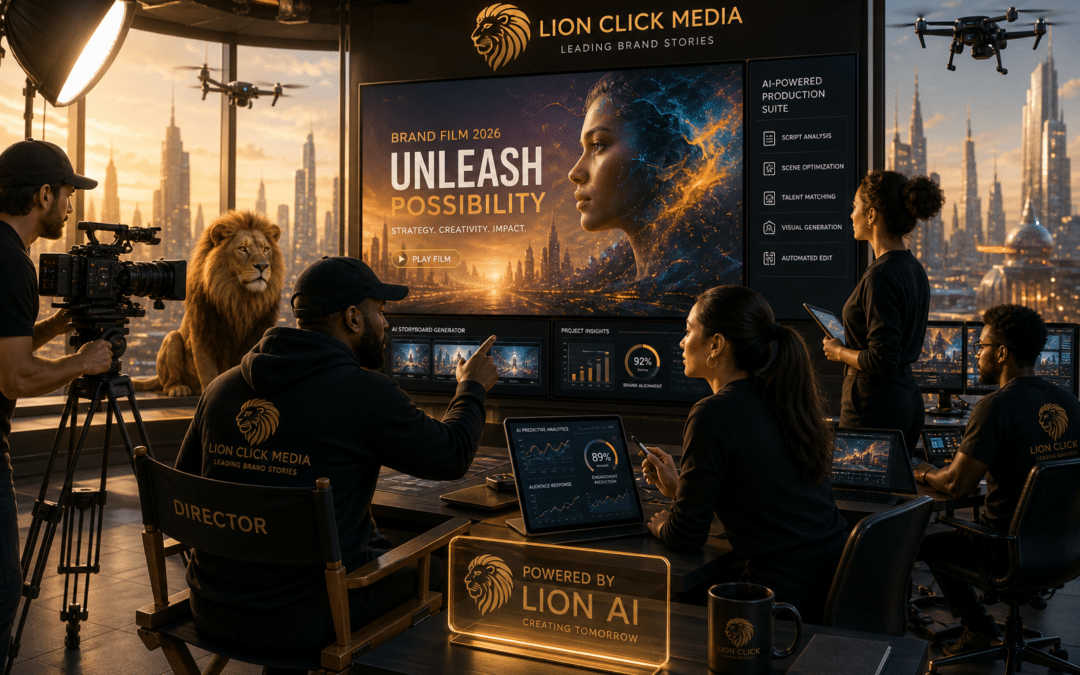
AI brand video production cost in 2026 ranges from $500 for the simplest DIY projects to $50,000 or more for agency-led, high-end campaigns, according to recent industry data. Yet the real story isn’t just the sticker price—what actually matters is how brands balance automation, creative oversight, and long-term marketing value. Misunderstanding these trade-offs leads to wasted budget, missed impact, and generic results. For a full breakdown of typical price points and key cost factors, see recent analyses by Lemonlight, Act Five, and Ruminate X.
Key Takeaways
- AI brand video production cost in 2026 typically runs from $500 DIY solutions to $50,000+ for agency-managed campaigns [Act Five] [Lemonlight].
- The biggest savings come from process efficiency, not just software price—brands often overestimate the “AI discount.” [Lemonlight]
- Choosing between DIY, hybrid, and agency models is less about pure budget and more about brand risk tolerance, speed, and the need for differentiation.
- Volume, quality, and post-launch adaptability usually matter more than headline cost per video.
- Lower AI video costs can result in weaker storytelling, bland visuals, or strategy gaps—know which trade-offs you’re making.
What Drives AI Brand Video Production Cost in 2026?
Too many brands obsess over the base price of AI video tools, but overlook the hidden levers that actually shape total project cost. The common myth is that AI instantly slashes every expense—when in reality, the main savings come from reducing manual work in tasks like scriptwriting, rough editing, or basic voiceover. According to Act Five and Lemonlight, costs in 2026 span from $500 for a barebones AI-generated video to $50,000+ for advanced, agency-led productions, depending on the project’s complexity and the level of human creative input.
The real price driver is how much human expertise you layer on top of the AI: brand concepting, visual style, and strategic post-production still demand skilled attention. Many brands either overspend on full-service agencies when a hybrid model would suffice, or else cut too many corners and wind up with bland, interchangeable content. As Lemonlight notes, the workflow you choose—DIY, hybrid, or agency—often matters more than the sticker price of any one tool.
Customization is another overlooked factor. Simple explainer videos or quick social clips can be automated, but brand-defining hero films—those that tell a memorable story or anchor a campaign—require iterative review, nuanced feedback, and higher investment. The smart move: define the story and outcome you actually need, then map budget and workflow to support it. If you’re planning a series of videos, consider how each piece fits into your overall marketing strategy and how adaptable your process is to feedback and evolving brand guidelines.
How Does AI Video Creation Pricing Compare to Traditional Production?
The cost gap between AI-powered and traditional video production is significant, but the reality isn’t as simple as “AI is always cheaper.” Real-world data from Ruminate X shows that AI video production typically lands well below legacy methods for comparable deliverables, with a hero brand film that might command $50,000–$100,000 at a traditional agency often dropping to the $8,000–$20,000 range when AI is used. However, as Lemonlight and Act Five highlight, this “AI discount” narrows as projects become more complex or storytelling-driven, since live-action shoots and extensive creative oversight still add to total investment.
AI cuts out much of the logistical overhead—smaller crews, less travel, and faster post-production. But for nuanced, emotionally resonant films, the need for creative human input means the cost advantage narrows. In other words: the simpler and more repeatable the video, the greater the savings; the more ambitious the story or campaign, the closer AI and traditional budgets get. Lemonlight emphasizes that brands should weigh not only headline cost per video, but the trade-offs in creative quality and strategic alignment.
| Production Model | Typical Cost Range* [Lemonlight] | Best For | Key Trade-Offs |
|---|---|---|---|
| DIY AI Tools | $20–$200/mo | Social clips, quick explainers | Lowest cost, but limited originality and polish |
| Hybrid AI + Human | $1,000–$10,000/project | Brand stories, multi-format campaigns | Balanced cost, creative flexibility |
| AI-Driven Agency | $8,000–$50,000+ | Hero films, national ads, complex campaigns | Highest quality, but premium pricing |
| Traditional Production | $50,000–$100,000+ | Super Bowl spots, cinematic stories | Maximum control, slowest/most expensive |
*Ranges based on Ruminate X, Lemonlight, and Act Five. Actual pricing varies by complexity, agency, and deliverable scope.
DIY, Hybrid, or Fully Managed: Which AI Video Approach Fits Your Brand?
The smartest brands in 2026 aren’t just picking a tool—they’re building a workflow that matches their ambitions and risk profile. The “best” model isn’t about chasing the lowest or highest price, but about choosing a mix that fits your actual needs and resources. As Lemonlight points out, having clarity on your desired outcomes and the level of creative oversight required can help you avoid overspending or sacrificing brand quality.
For example, a fast-growing e-commerce startup might use a DIY AI tool for weekly product teasers—spending only on software and a bit of staff time. But for a major rebrand or product launch, that same company could turn to a hybrid provider, blending AI-generated scripts and edits with a director or strategist to ensure the story lands. Larger enterprises with national reach increasingly use fully managed, AI-driven agencies to run entire campaigns—combining scripting, visual branding, multi-channel rollout, and analytics.
One often-overlooked strategy: Most brands benefit from mixing these models over time. Use DIY for high-volume, quick-turn content, hybrid for campaign tentpoles, and agency support for high-stakes signature pieces. This diversified approach to video investment keeps your output fresh, on-brand, and adaptable. If you’re new to this, think of it as managing a “portfolio” of video efforts—balancing quick, affordable content with occasional major investments for maximum long-term return.
The Real Value Equation: Beyond Cost Per Video
Debating cost per video can be misleading. Today, AI-assisted production means one creative sprint can yield a whole suite of assets—short social teasers, vertical reels, explainer versions, even personalized variations for different audiences. According to INDIRAP, a shoot that once delivered a single two-minute video for $3,000 can now generate multiple versions for $4,000–$5,000 total investment, making multi-format content more accessible without a proportional budget increase.
The smart move is to plan for repurposing and iteration. Brands that structure their AI video pipeline to enable rapid edits, multiple formats, and ongoing A/B testing see more content, faster feedback, and stronger ROI from each campaign. For example, running quick, low-cost test videos using a DIY tool can help you gauge what hooks or formats resonate before investing in a fully produced campaign.
- Scenario: A regional restaurant chain invests in a professionally managed AI video campaign. Instead of buying one commercial, they receive a brand film, three social teasers, and localized variants—building a video asset library that supports months of marketing.
- Scenario: A SaaS company uses DIY AI tools to quickly test product demo scripts and visuals. After seeing what resonates, they invest in a hybrid campaign for the best-performing storyline, scaling up spend only where results justify it.
What actually matters: Optimize your workflow and budget for total campaign output and post-launch adaptability—not just the cheapest upfront cost per video. In practical terms, this means planning for ongoing updates and repurposing, so your video assets stay relevant across different platforms and audiences.
What’s Included (and Not) in AI Brand Video Packages?
AI video pricing is often confusing because inclusions vary widely. The real cost drivers aren’t just editing or voiceover—they’re strategic services, revision policies, and post-delivery support. Here’s what to look for:
- Core Deliverables: Most packages include script generation, AI-assisted editing, stock visuals or AI-generated imagery, basic voiceover (often synthetic), and delivery in common formats (horizontal, vertical, square).
- Brand Integration: True brand consistency—logo animation, color palette, fonts—usually requires some human involvement even with AI tools. If your brand has strict visual guidelines, clarify this upfront.
- Revisions & Iterations: Some plans include only a single revision; others offer more flexibility. Always clarify this up front to avoid surprise costs. For example, ask for a clear timeline and process for feedback rounds before you sign an agreement.
- Distribution Strategy: AI video agencies may offer channel-specific variants, upload support, or basic analytics setup. DIY tools rarely go beyond exporting a finished file, so check if you’ll need extra help for distribution.
- Licensing & Rights: Double-check commercial rights for music, stock assets, and AI-generated visuals. Some services restrict usage in advertising or paid campaigns—always read the fine print to protect your brand.
For a breakdown tailored to service industries, see the 2026 AI Brand Video Playbook for Aesthetic Clinics, which unpacks how package features impact cost and results.
Many businesses assume AI video comes with unlimited customization. In reality, high-quality storytelling still demands a clear creative brief, active feedback, and human oversight—especially for campaigns where brand reputation is on the line. To avoid confusion, always outline your must-have deliverables and expected review process in writing.
Real-World Scenarios: AI Video Costs for Different Brand Types
The broad price range for AI brand video production cost only makes sense when viewed through real scenarios:
- Solo Professional (e.g., Real Estate Agent): A realtor pays $20/month for an AI video tool to produce listing walkthroughs and personal intros. This keeps costs low, but risks forgettable content unless paired with strong personal branding. For more on DIY brand assets, see Brand Identity & Logo Design vs DIY for Real Estate Agents.
- Mid-Size Retailer: A regional sporting goods chain uses a hybrid AI agency for its back-to-school campaign. With a moderate budget, they get multiple localized videos and analytics support, yielding more assets faster than a traditional shoot. Explore related tactics in Boost Multi-Location Visibility with AI & Video.
- National Financial Brand: A large advisor network commits $30,000 to an AI-powered hero film anchoring a rebrand. The agency leans on AI for scripting/editing, but adds live-action and executive interviews for authenticity—spending less than a traditional production, but still investing where trust and compliance matter. Similar trade-offs apply to logo design, as covered in Best Brand Identity & Logo Design for Financial Advisors 2026.
What’s too often missed: The best value isn’t found at the lowest or highest end. The strongest brands combine quick-turn AI content with occasional, fully produced hero assets—balancing volume and quality for ongoing results. This “portfolio approach” simply means spreading your video investment across different formats and production levels, rather than putting all your budget into a single major project.
Framework: The C.A.S.T. Checklist for AI Video Planning
To avoid wasted spend and get reliable results, use the C.A.S.T. Checklist—a practical framework for planning AI-assisted video. Here’s how to put each step into practice:
- Clarity of Purpose: Start by writing down your exact goal (brand awareness, lead generation, customer retention) and describe your target audience in plain terms. Draft a creative brief—even for small or DIY projects—including your main message, desired tone, and clear calls to action. For example, if your goal is to drive bookings for a spring sale, specify the offer, the audience (existing vs. new customers), and the ideal video length. This step helps you avoid creating content that misses the mark or feels off-brand.
- Asset Audit: Take stock of all the brand assets you already have—logos, product photos or videos, testimonials, existing motion graphics, and any prior campaign materials. Make a list and organize these files in a shared folder for easy access. The more you provide up front, the more you control cost and ensure brand consistency. Need help? Use planning guides like Logo & Business Card Design for asset gathering tips, or check AI Content Creation Costs: Real Pricing Insights for more on budgeting for creative assets.
- Scope Definition: Set clear expectations with all stakeholders: define exactly how many videos you need, in which formats (horizontal, vertical, square), and for which channels (YouTube, Instagram, website, etc.). Decide if you need extras, such as custom voiceover, on-location footage, or multiple language versions. Before starting, agree on how many rounds of revisions are included and what distribution support (like uploading or analytics setup) you’ll receive. Putting all of this in writing upfront avoids surprise fees or last-minute changes.
- Team Alignment: Assign clear roles for feedback, approvals, and editing. Even with AI, delays often happen when it’s unclear who is responsible for reviewing scripts, visuals, or final edits. For multi-location brands, coordinate with your AI social media management and AI data analytics teams to ensure consistent measurement and rollout across all channels. Hold a kickoff call to confirm everyone’s responsibilities and deadlines before production begins.
Brands that apply this C.A.S.T. framework avoid overages, revision spirals, and mismatched expectations—leading to more predictable, effective AI video campaigns. If you’re new to creative briefs or asset audits, consider downloading sample templates or checklists from trusted industry sources.
How to Avoid Common Pitfalls in AI-Assisted Video Production
It’s easy to focus on technology and miss the human factors that drive real-world results. The most common pitfall: assuming AI alone guarantees brand safety, audience connection, or legal compliance. Even the best platforms require experienced review—especially for regulated sectors or emotionally sensitive stories.
Another frequent misstep is relying too heavily on templates. While AI tools speed up first drafts, overusing boilerplate erodes brand differentiation fast. Strong marketers build in manual tweaks—custom intros, unique transitions, on-brand music—to avoid a “cookie-cutter” look. For more on avoiding generic branding, see How Top Restaurants Use Brand Identity to Win More Customers.
And don’t ignore hidden costs. Many AI video services upsell premium features, advanced assets, or post-production support. Always read the contract, test outputs before scaling, and watch for fees tied to custom scripts, extra languages, or compliance review. If you’re unsure, ask for an itemized estimate and clarify which features are included vs. optional add-ons.
Budgeting for AI Brand Video: Honest Trade-Offs and Smart Allocation
No AI video pricing guide is complete without addressing the real trade-offs. Yes, AI lets you produce more content for less, but there’s a limit to what automation can achieve—especially when you need emotional resonance or high-stakes brand storytelling.
For most businesses, the sweet spot is a blended budget: fund ongoing, scalable AI-driven content, but reserve a portion for occasional, high-touch productions that demand hands-on creative work. Many local service businesses budget somewhere in the low-to-mid four figures a month for this, though your mileage will vary by market and campaign needs. This flexibility allows you to scale up investment in new product launches or seasonal campaigns while keeping a steady flow of affordable content the rest of the year.
Treat your video spend as a “content flywheel”—a process where each campaign feeds insights and assets into the next, gradually building up your marketing momentum. In plain terms, this means using analytics from each video campaign to decide where to focus next—be it new product demos, customer testimonials, or retargeting ads. When video is integrated with broader digital efforts—like AI content creation, video creation, and e-commerce services—the impact on brand growth is much greater than any single video can deliver.
What Does the Future Hold for AI Video Agency Pricing?
Looking ahead, AI video agency pricing will remain fluid, but one trend is clear: the differentiators won’t just be access to tech—they’ll be strategy, creative direction, and multi-channel expertise. As access to similar AI tools spreads, the agencies and consultants who combine automation with sharp brand insight and market-specific tactics will command a premium, reflecting the true value of their expertise. This shift means that “AI video agency pricing” is likely to be driven less by software costs and more by the quality of guidance, strategic planning, and unique creative solutions on offer.
For global brands, expect more agencies to bundle services—combining AI video production with AI advertising campaigns, advanced analytics, and ongoing optimization. Local and mid-market businesses can still compete by using hybrid models and focusing on authenticity over scale. For a deeper look at how these strategies affect corporate video costs across industries, see Lemonlight’s 2026 AI video production guide.
Lion Click Media, an Orange County-based AI marketing agency, is just one example of firms now serving small businesses, franchises, and national brands alike—showing that AI-driven video is no longer just for Fortune 500s. The real winners in 2026 will treat AI not as a magic bullet, but as a tool for smarter, faster, and more creative storytelling.
Frequently Asked Questions
How much does a basic AI brand video cost for a small business?
Basic AI brand videos for small businesses typically fall into a low-to-mid four-figure budget range, depending on length and customization.
Can AI tools replace human creativity in brand video production?
AI tools assist but do not replace human creativity; professional creative direction remains essential for effective brand storytelling.
What are the main cost differences between AI-powered agencies and freelancers?
AI-powered agencies often charge more due to full-service capabilities and cinematic quality, while freelancers offer moderate customization at lower prices.
Are there ongoing costs after the initial AI brand video production?
Yes, ongoing costs may include AI tool licenses, video updates, distribution formatting, and localization services.
How quickly can I get a brand video made using AI-assisted production?
Timelines vary, but AI-assisted production can speed up delivery to a few weeks, depending on complexity and revision rounds.
Is it worth investing more for cinematic AI brand videos?
Investing more typically results in higher-quality videos that engage audiences better and deliver stronger ROI, especially for established brands.
Can AI brand video production integrate with other AI marketing tools?
Yes, integrating video production with AI advertising, social media management, and data analytics amplifies campaign effectiveness.
Get Your Free AI Marketing Audit
See exactly where you are leaving leads on the table and how Lion Click Media can help you rank higher, capture more customers, and Make Your Brand ROAR. No cost, no obligation.
Claim My Free Audit →Or chat with our 24/7 AI assistant (bottom-right) for instant answers.