
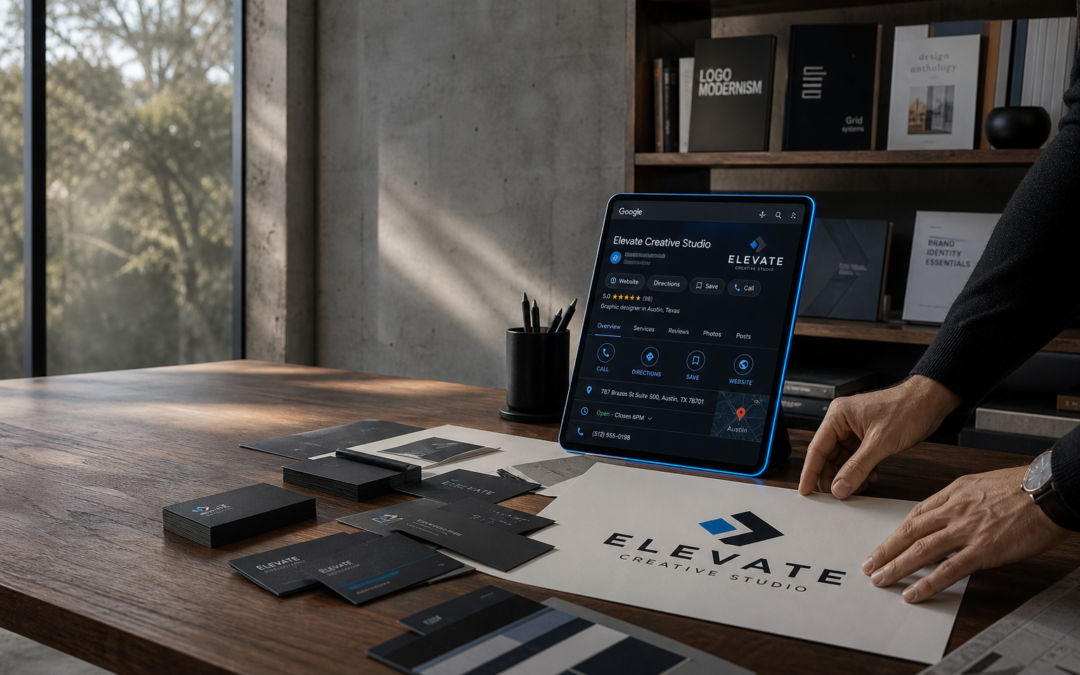
US Google Business Profile optimization trends for 2026 center on real-time updates, AI-powered insights, and consistent branding that directly boost local search visibility and customer trust. Marketers must move beyond outdated, static listings and treat their GBP as a living brand asset—regularly updating visuals, responding authentically to customers, and using data-driven tools to adapt as Google’s local features and algorithms evolve. Staying competitive now requires ongoing attention and a proactive, measurable strategy built on reliable sources and clear, step-by-step actions.
Key Takeaways
- AI and automation tools are reshaping Google Business Profile optimization standards, especially for local US search in 2026. [Google Business Profile API Docs]
- Consistent branding—including logo and business card design—now directly impacts your GBP’s credibility and visibility across the US, as Google’s visual matching algorithms compare your GBP images with your website and social media. [Search Engine Land]
- US marketers must prioritize authentic visuals, review management, and cross-channel consistency in local search marketing to stay competitive in local SEO.
- Most businesses underestimate how often Google Business Profile features and best practices change—ongoing attention is required. Google often updates features with little notice. [Search Engine Roundtable]
- The R.O.A.R. framework (Relevance, Optimization, Authority, Responsiveness) offers a real-world, step-by-step system for sustainable GBP results, detailed below.
Why Google Business Profile Optimization Demands a New Mindset for 2026
The era of “set it and forget it” for Google Business Profile (GBP) is over. In 2026, even small changes in Google’s algorithms, features, or local listing formats can have an immediate impact on your visibility and inbound traffic—often before you receive a formal update or alert. Too many marketers still treat GBP like a digital yellow pages listing, but Google now treats your profile as a dynamic storefront: it expects active management, not a static listing.
What matters now is ongoing relevance and credibility. Google’s local algorithm gives preference to businesses that regularly update their profiles, respond to reviews, and share fresh media. For example, if you haven’t reviewed your GBP strategy in months, you might already be missing out on new features or losing ground to faster-moving competitors. This is especially true in the US, where local search marketing standards continue to rise as AI and consumer expectations evolve.
For a thorough breakdown of what’s changed and why, see What Is Google Business Profile Optimization? A Plain-English 2026 Guide.
What’s Actually Changing in Google Business Profile Optimization Trends?
The biggest shifts in GBP optimization come from the intersection of AI-powered tools and rising consumer expectations for credibility, visuals, and engagement. Google has added dozens of new features in the past two years—including enhanced product catalogs, “from the business” sections, and richer photo and video uploads—according to their official help documentation.
But the real shift is in how Google weighs these features: GBP profiles with frequent updates, unique images, and quick response times to reviews tend to earn better visibility in local results. [Search Engine Land – GBP Ranking Factors] Many marketers overlook Google’s AI-driven focus on quality and uniqueness. If your “About” section is just copied from your website, or your photos look like stock images, your profile simply won’t stand out.
AI photo recognition means Google’s algorithms can often tell if your images are authentic or generic. Review sentiment analysis—where Google’s AI reads and scores customer reviews for positive or negative language—also impacts your business’s perceived trustworthiness. For less technical readers: AI photo recognition is when Google’s system scans images to check if they match your real business, while review sentiment analysis is how computers “read” your reviews to judge if the overall customer experience is good or bad.
For more on what not to do—and outdated advice to avoid—see Google Business Profile Optimization Advice That’s Bad in 2026.
How Does AI Change the Local SEO 2026 Playbook?
AI isn’t just a buzzword—it’s fundamentally changing how businesses must approach GBP optimization for local SEO in 2026. Tools like BrightLocal and Whitespark now use AI to monitor reviews, flag negative feedback, and recommend content updates. Google’s Business Profile dashboard itself uses machine learning to surface automated insights about keyword trends and customer engagement. [BrightLocal on AI Reviews]
Key terms explained:
- AI photo recognition: Google’s system scans and analyzes images you upload to check if they’re original, match your actual branding, and are high quality. This helps prevent spam and keeps listings trustworthy.
- Review sentiment analysis: AI reads and scores the tone of customer reviews—so a steady stream of positive, authentic feedback signals trust, while a run of unresolved complaints can drag your ranking down.
A common mistake is letting automation run unchecked—auto-generating posts or review replies that sound robotic, or ignoring the unique insights surfaced by Google’s backend. The smarter approach is to use AI for pattern detection (like which keywords or images drive engagement), but always edit for authenticity and match your brand voice. For example, you can use AI content creation tools to brainstorm review responses, but always customize your replies to sound genuinely human.
AI is also transforming analytics. Instead of guessing which updates trigger more calls or direction requests, Google’s Performance Insights and Search Console can tie GBP activity to business outcomes like phone calls or direction requests. For multi-location brands, these tools help you see how customer behavior differs between cities—so you can tailor your content and offers to specific local audiences.
Scenario: A Multi-Location Restaurant Group Tackles GBP Optimization in 2026
Picture a fast-expanding US restaurant group with locations in Phoenix, Dallas, and Atlanta. In 2026, the Dallas branch notices foot traffic isn’t keeping up while Atlanta grows steadily. Instead of guessing, the marketing team uses Google’s AI-powered dashboard to compare review sentiment and engagement rates. They discover Dallas customers mention long waits, while Atlanta reviews highlight the popular vegan options.
They take three steps: updating Dallas’s profile with new photos of the quick-service lunch counter; replying to wait-time complaints and announcing new staff hires; and adding a rotating “specials” section tailored to Dallas’s audience. Within weeks, Dallas begins to see a measurable uptick in lunchtime orders and positive reviews—a clear sign that targeted, local GBP management beats one-size-fits-all updates. A similar approach could give any US multi-unit business a local edge.
The lesson: let AI and engagement data guide your strategy, but connect those insights to real, location-specific action. For more on adapting your approach to shifting consumer behavior, see Consumer Behavior Trends Reshaping Local SEO in 2026.
Why Branding (Even Down to Logo & Business Card Design) Now Impacts Local SEO
Branding is now a ranking factor for local SEO, not just a design concern. According to Search Engine Land, Google’s algorithm cross-checks your GBP visuals—logos, signage, and even business card images—against what it finds on your website and social media. If your GBP gallery has mismatched logos or outdated storefronts, you risk undermining trust and visibility in local search marketing.
Smart US businesses schedule quarterly branding audits: update your GBP logo, banner, staff photos, and even business card images to match what’s on your website and print collateral. Don’t fall into the trap of investing in polished website or card design but neglecting GBP visuals. Google’s image recognition can flag inconsistencies, and customers will spot if your GBP looks dated or fake. For a closer look at how branding now drives local search, see Logo & Business Card Design Trends Los Angeles Marketers Need in 2026—the principles apply nationwide.
The R.O.A.R. Framework: A Practical, Step-by-Step System for 2026 GBP Success
Too many US businesses jump between tactics without a system. The R.O.A.R. framework brings order to GBP optimization with four actionable pillars. Here’s how to put it into practice:
- Relevance:
- Identify your real local audience—think city, neighborhood, or even street.
- Customize your GBP description and services to reference local landmarks, events, or needs (e.g., “Serving the Back Bay area of Boston” or “Open late after concerts at The Fox Theatre”).
- Refresh content at least quarterly to reflect current offerings or seasonal shifts.
- Optimization:
- Fill out every GBP field, including business categories, attributes (like “wheelchair accessible”), and special hours for holidays.
- Set monthly reminders to update hours, add new products, or upload new photos.
- Use reputable GBP audit tools such as BrightLocal’s Audit or Whitespark’s Audit to identify gaps or errors.
- Authority:
- Encourage happy customers to leave reviews—consider QR codes at checkout or a follow-up email.
- Claim relevant Google badges (like “Google Guaranteed”) if eligible, as these can boost trust signals.
- Ensure your business info matches across all directories, using platforms such as Moz Local or Yext for citation management.
- Set up an automated review-request workflow, but always personalize the outreach. For example, reference something specific to the customer’s experience in your ask.
- Responsiveness:
- Reply to every review—both positive and negative—within a day if possible. Thank positive reviewers and address concerns in negative reviews with specifics and empathy.
- Activate GBP’s messaging feature and enable mobile notifications so you never miss a customer question.
- If your team is stretched, consider using an AI-powered live chat and lead intake assistant for after-hours coverage, but always review its output for accuracy and empathy.
- Audit your review and message responses monthly to spot any missed opportunities or off-brand replies.
Deeper strategic explanation: R.O.A.R. isn’t just a checklist—it’s a workflow for local search marketing: assign specific team members to own each area, track changes in a shared document, and set recurring reminders for monthly and quarterly reviews. If you’re a solo operator, block out time on your calendar for each pillar. The framework keeps businesses focused on what Google and customers actually reward as GBP optimization trends keep shifting. For more on building sustainable local search systems, see Frameworks for Local Search Marketing Success in 2026.
Comparison Table: GBP Management Options for US Businesses
| Option | Pros | Cons | Best For |
|---|---|---|---|
| Manual In-House | Full control; no external costs; immediate updates possible | High time commitment; easy to miss algorithm changes; inconsistent quality | Single-location businesses (e.g., local dentists, boutique restaurants) with limited needs |
| Automated Tools/AI Platforms | Efficient monitoring; flags new reviews; suggests optimizations | Context can be missed; risk of off-brand replies; requires setup and oversight | Brands with multiple locations (such as fitness chains or home service franchises) needing consistent updates |
| Specialized Agencies | Expertise in latest updates; manages reviews/content proactively | Ongoing fees; needs oversight to ensure brand fit; slower on emergency edits | Growing or highly competitive local businesses, like law firms or regional restaurant groups |
| Hybrid (In-House + Agency/AI) | Blends expertise with daily control; can scale; custom workflows | Needs clear roles to avoid duplication | Mid-sized businesses and franchises, such as HVAC companies or dental groups expanding regionally |
Bottom line: Don’t assume the DIY approach will scale, but don’t outsource so much that you lose brand oversight. For a detailed breakdown, read What’s the Difference Between Google Business Profile Optimization and DIY?.
Checklist: GBP Optimization Steps Most Businesses Overlook
- Update “From the Business” Section Quarterly: Refresh your description, highlight new services, and use language tuned to your local market. For example, mention recent awards or neighborhood partnerships.
- Audit Photo Gallery: Remove outdated or low-res images. Add new, authentic photos monthly—show staff, customers, and real products or services in action, not just storefronts.
- Test Google Posts: Try offers, events, or announcements. Track which post types trigger more calls or direction requests in your GBP dashboard. For example, a bakery might post weekly specials and see which flavor drives more engagement.
- Review Schema Markup: Ensure your website uses schema.org markup (a type of code that helps Google understand your business info) and that it matches your GBP—this helps Google confirm your details across platforms.
- Sync with Offline Branding: Make sure your logo, business card, and signage updates are reflected in all GBP images for cross-channel consistency.
- Respond to All Reviews: Address negative feedback with specifics and empathy, not canned replies. Share positive reviews with your team to reinforce what works.
- Monitor Competitors: Regularly check top local rivals’ GBPs for features or content you’re missing—use tools like Local Falcon or GMBspy to map their strengths and weaknesses.
The most overlooked step is cross-channel consistency. Too many businesses update their website or branding but forget to reflect those changes in their GBP, opening a gap competitors can exploit. For practical tips on aligning your branding across platforms, see The New Rules of Business Branding for US Local Search in 2026.
Scenario: How Visual-First Updates Give a US Home Services Brand a Local SEO Edge
Consider a mid-sized HVAC company operating across several US states. In early 2026, they notice their GBP traffic lagging behind newer competitors. Instead of focusing only on keywords, they invest in professional on-site photography, upload new images of real technicians at work, and add short video walk-throughs of common repairs. They also refresh their logo to match redesigned business cards and update all GBP visuals accordingly.
Over the next few months, they see a steady increase in calls and “directions” requests from their GBP. The difference isn’t just quantity—it’s the authenticity and consistency of their visuals, which align branding across web, print, and GBP. Google’s algorithm and real customers both reward the effort.
For more on how US companies tie e-commerce, branding, and Google visibility together, see How U.S. Companies Use E-Commerce Services to Accelerate Growth.
Trade-Offs and Caveats: What’s the Downside of Chasing Every GBP Trend?
Jumping on every new GBP feature can backfire. Constantly overhauling your profile without a clear strategy can confuse Google’s algorithm and your customers. Too-frequent, inconsistent changes—especially to core info like hours or business categories—can temporarily lower your rankings or trigger unwanted verification checks. Google’s official guidelines warn against frequent or misleading changes.
AI and automation are powerful, but not infallible. Automated review responses can sound stiff, and image recognition sometimes mislabels photos, accidentally violating Google’s guidelines. The answer isn’t to avoid AI, but to combine automation with regular human quality assurance—especially for anything customer-facing. [Search Engine Journal on AI Content Guidelines]
And don’t obsess over GBP at the expense of your main website or broader reputation management. GBP is a crucial entry point, but it’s just one part of a complete local SEO strategy. In fields like law or home services, balancing GBP with active online reputation management is critical—see Is Reputation Management Worth It for Law Firms in 2026? The Real Math for a sector-specific breakdown.
What Most Marketers Get Wrong About GBP and Local Search Marketing in the US
The #1 mistake: treating GBP optimization as a technical checklist, divorced from real-world branding and customer experience. Many US marketers still stuff keywords into their profiles or chase ranking “hacks” instead of showing what actually makes their business trustworthy and unique. True optimization means illustrating what sets you apart through authentic visuals, detailed business info, and customer engagement.
A second error is underestimating how fast Google updates GBP features. Changes can roll out or disappear without notice, so what worked a few months ago may now be irrelevant or even drag you down. The most effective marketers run monthly or quarterly GBP reviews, track both their own and competitors’ profiles, and keep up with industry news—often through trade publications, webinars, or by consulting with local experts. For official updates, monitor Google’s Business Profile status page and trusted SEO news sources.
For a deep dive into industry-specific mistakes, see Why Most Roofing Companies Get Google Business Profile Optimization Wrong. The patterns apply to nearly every vertical.
Integrating GBP Optimization with Broader Digital Marketing in 2026
Optimizing your Google Business Profile works best when integrated with your full digital marketing strategy. GBP signals now influence not just Maps and local results but can also impact your website SEO and even paid ad performance, according to Search Engine Land. Coordinating your GBP activity with website updates, social campaigns, and technical SEO creates a multiplier effect.
Pull your branding through from GBP to your website, social media, and offline materials like flyers or business cards. Use AI social media management tools to schedule posts that echo your Google Posts offers. Repurpose video content across platforms for a consistently branded experience. If you’re a national brand, develop clear brand guidelines and cross-functional workflows to ensure every GBP location reflects both your central identity and local flavor. For more on integrating local and national marketing, see Frameworks for Local Search Marketing Success in 2026.
Frequently Asked Questions
How often should I update my Google Business Profile in 2026?
Frequent updates are recommended—ideally monthly or after any significant business change—to maintain accuracy and boost local relevance in search results.
Can AI-generated content hurt my Google Business Profile rankings?
AI-generated content can help if reviewed and personalized before posting; unedited generic content risks appearing spammy and may harm rankings.
Is it better to respond to every review or just negative ones?
Responding to all reviews, positive and negative, shows engagement and builds trust, which positively influences local SEO.
What’s a common mistake businesses make with logo use on their profiles?
Uploading low-resolution or inconsistent logos weakens brand perception; always use high-quality, consistent branding assets for best impact.
How can I tell if automated Google updates are affecting my business info?
Regularly monitor your profile for unexpected changes, and set alerts for modifications to critical info like hours or contact details.
Does schema markup directly affect Google Business Profile ranking?
Schema markup enhances Google’s understanding of your business info and can improve rich display features, indirectly supporting better visibility.
What’s the trade-off of using an AI-powered agency versus a freelancer?
AI agencies offer scalability and consistent data-driven results but may require more upfront collaboration; freelancers provide personalized service but often lack automation scale.
Get Your Free AI Marketing Audit
See exactly where you are leaving leads on the table and how Lion Click Media can help you rank higher, capture more customers, and Make Your Brand ROAR. No cost, no obligation.
Claim My Free Audit →Or chat with our 24/7 AI assistant (bottom-right) for instant answers.