
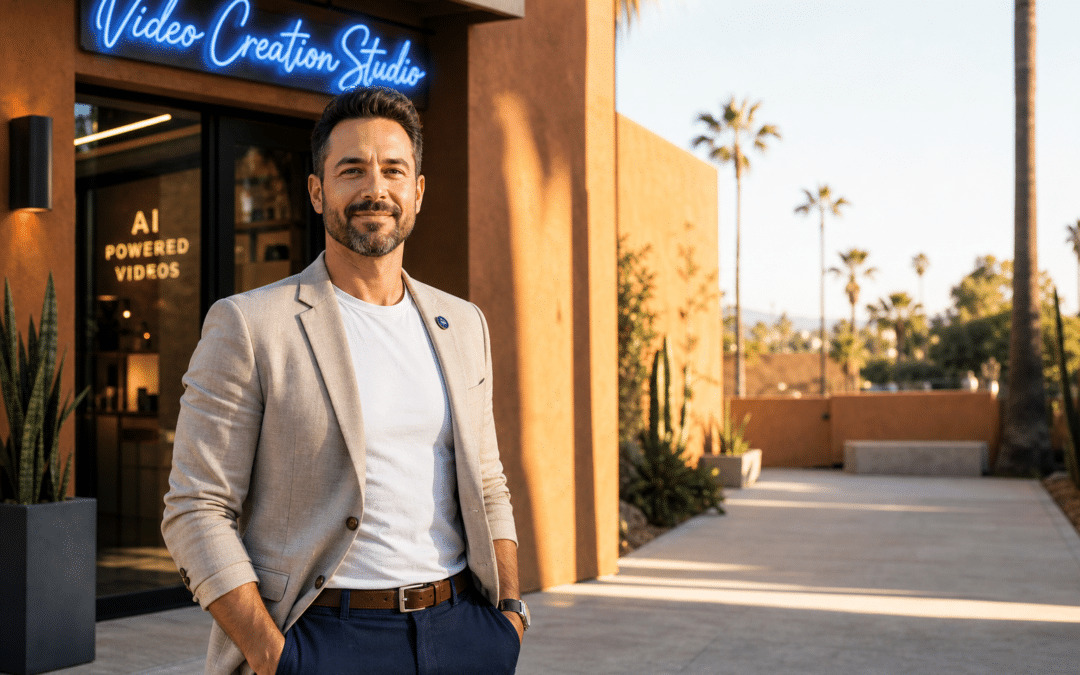
Short answer: In 2026, video creation is essential for Southern California businesses. Customers expect to see authentic, locally relevant videos from brands at every stage—from discovery to decision. To stand out and win trust, businesses need a clear strategy, use AI tools smartly, and always focus on what matters to their specific California audience. Consistent, well-planned video content is now a must-have, not a luxury, for driving real results.
Key Takeaways
- Video is now critical—not optional—for business marketing in Southern California and across California. Audiences expect to see video content at each step of their journey.
- AI tools can help you create videos faster and at lower cost, but local relevance, clear goals, and authentic messaging are what actually drive meaningful results. Recent industry reports confirm that authenticity and clear messaging consistently outperform generic automated content.
- Many businesses fall short by lacking consistent, brand-aligned messaging or using video formats that don’t fit their audience or objectives.
- The most successful video strategies use a practical, step-by-step framework—like the SCOPE Method—to ensure every video connects to measurable business outcomes and avoids wasted effort.
- To get the best results, match each video type and platform to the right phase of your customer journey—polished production alone won’t guarantee success.
Why Video Creation Is Non-Negotiable for California Businesses in 2026
In 2026, video marketing goes way beyond posting the occasional clip to Instagram or YouTube. Whether you run a bakery in Laguna Beach or a B2B supplier in San Diego, California customers expect to see your videos in their social feeds—and if you’re not visible, your competitors likely are. This shift is fueled by two forces: the immense time audiences spend watching video on platforms like Instagram Reels and TikTok, and the way search engines increasingly push video content to the top of results, especially for mobile users. Pew Research Center notes that video platforms now dominate how people—especially younger audiences—discover and engage with businesses.
The common mistake: treating video as a side project. Businesses often post a few generic promos and wonder why nothing changes. But California buyers are quick to ignore content that could have come from anywhere. The only videos that break through are those rooted in local stories, posted consistently, and mapped directly to the key stages of the customer journey. For example, a Santa Ana car dealership might run weekly Q&A reels about local financing rules, or a Newport Beach yoga studio could film a series at well-known community spots. Why More Newport Beach Companies Are Switching to Video Creation provides a deeper look at what works in practice.
Bottom line: your competitors are already sharing local, authentic stories—and the difference between “just showing up” and building real customer loyalty is only getting bigger.
How Video Creation for Southern California Businesses Actually Drives Results
One of the biggest myths is that expensive cameras and slick editing automatically draw attention. In reality, strong video marketing starts by defining a clear, specific goal—such as building brand awareness, generating qualified leads, or encouraging direct sales—and then tailoring your format, message, and distribution to that goal. For instance, a Los Angeles gym could use behind-the-scenes Instagram Reels to spark more walk-in traffic, while an Irvine accounting firm might post simple explainer videos about new California tax law changes to build trust with small business owners.
Imagine a Huntington Beach surf shop dropping one-off commercials in favor of weekly customer testimonial clips, recorded on a phone and optimized for TikTok and YouTube Shorts. Over time, they might notice more customers mentioning these stories in-store, and their Google reviews could reference “seeing us on TikTok”—showing that even simple videos, when done right, can drive real-world action. For a detailed local playbook, see Video Creation for Huntington Beach Small Businesses: A Local Guide.
The most important factor isn’t high-budget production or chasing every new platform; it’s answering your customers’ real questions and sharing those answers where people already spend time online. This approach builds recognition, trust, and measurable action.
What Most Businesses Get Wrong About AI Video Tools
AI has made it much easier and less expensive to create videos, but there’s a trap: many businesses think automating editing or scriptwriting will automatically deliver great results. In practice, AI without a clear plan often produces videos that feel generic and forgettable.
AI platforms like Descript (for fast editing/transcription), Synthesia (for AI avatars), and Lumen5 (for quick social video creation) can save time on repetitive tasks. This frees up your team to focus on what matters most—developing stories that truly connect with your California audience. For example, a Santa Monica dental practice can use AI to quickly generate before-and-after montages or automate captions, but only a real person can share the “why patients trust us” story in a way that feels genuine. The best results come from using AI for routine tasks (like captioning, simple animations, or making shorter clips) while reserving human creativity for scriptwriting and on-camera moments.
If you’re considering AI, start by automating basic editing, reformatting, and effects, and keep the creative direction in human hands. For a breakdown of where automation makes sense and where it doesn’t, see AI Brand Video Production Cost in 2026: Real Pricing. For broader industry insights, check out Content Marketing Institute’s overview of AI and video marketing trends.
Framework: The SCOPE Method for Video Creation Success
Too many businesses waste resources on “video for video’s sake”—content that doesn’t help the business grow. The SCOPE Method is a five-step, practical framework that keeps every video focused on real results. Here’s how it works, plus an example that ties all five steps together:
- S — Strategy: Define one clear goal for your video—such as booking consultations, answering a common question, or driving event signups. Avoid vanity metrics like just counting views; instead, tie your concept to a real, trackable action (calls, form fills, store visits).
- C — Customer Insight: Go deeper than basic demographics. Use tools like Google Trends, SEMrush, or social listening platforms (such as Sprout Social) to find out what your audience actually cares about. For example, if reviews mention “confusing warranties,” create a simple FAQ video addressing that concern directly.
- O — Optimization: Choose formats and lengths that fit the platform and your buyers’ habits. Short, vertical videos (under 60 seconds) work best on TikTok and Instagram Reels, while longer landscape explainers (2-5 minutes) are better for YouTube or email. Use A/B testing tools—like TubeBuddy for YouTube or Meta’s built-in testing for Facebook/Instagram—to compare titles, thumbnails, and lengths.
- P — Production: Decide what can be done in-house with AI tools and what requires a professional or authentic human touch. For example, use Descript for quick edits, but always film real customer testimonials live—don’t substitute with AI avatars.
- E — Evaluation: After launching your video, track what matters: measure not just views, but real actions like calls, appointment requests, or product inquiries. Use analytics platforms such as Google Analytics, Meta Insights, or Vidyard to connect engagement to actual business outcomes. For advanced analysis, explore AI Data Analytics tools designed for small businesses.
Applying SCOPE: a quick example
Imagine a Pasadena pet groomer wants to drive more bookings from local dog owners.
- Strategy: Create a video to encourage online appointment bookings.
- Customer Insight: Use Google Reviews and social comments to discover that many locals are worried about pet safety and cleanliness.
- Optimization: Plan a 45-second vertical video for Instagram Reels, highlighting the shop’s safety standards and friendly staff.
- Production: Use a smartphone and a simple AI captioning tool for quick editing, but feature the real staff and behind-the-scenes clips.
- Evaluation: After posting, track how many viewers click through to the booking page using Instagram Insights and website analytics.
Applying SCOPE ensures every dollar and minute spent on video is focused on real business results—not just chasing likes.
Which Types of Video Work Best for Different California Business Needs?
Not every video serves the same purpose. The right format depends on your business goal, audience, and resources. Here’s a quick guide to five common video types used in video creation for Southern California businesses and across California, plus their best uses and trade-offs:
Video Types at a Glance:
| Video Type | Best Use Case | Key Advantages | Potential Limitations |
|---|---|---|---|
| Short-Form Social Video | Brand awareness, trending topics, highlighting local events | Wide reach, quick production, immediate audience feedback | Limited depth, content quickly becomes outdated |
| Explainer/FAQ Video | Educating customers, handling objections, improving SEO | Builds authority, reusable for multiple campaigns, encourages conversions | Requires thoughtful scripting, may need regular updates |
| Testimonial/Story Video | Establishing trust, supporting high-value sales, boosting reputation | Authentic, emotionally engaging, persuasive | Harder to scale, needs real customers to participate |
| Live or Event Video | Driving community engagement, launching products, real-time Q&A | Interactive, creates urgency, feels genuine | Less control over outcome, risk of technical issues |
| AI-Generated Animation | Explaining complex topics, affordable branding solutions | Customizable, scalable, produced quickly | Can come across as impersonal, often less emotional impact |
The big takeaway: don’t let production polish dictate your choice. For example, an Orange County roofing company might spend on dramatic drone footage but overlook the value of a simple, honest customer testimonial. Always start with the video format that best answers your customers’ real questions or addresses their doubts—then invest in higher production value once you know it works. For more on blending digital and traditional tactics, see Flyer & Printing Services in Southern California: What Works in 2026.
How to Integrate AI Social Media Management with Video Content
Many businesses lose momentum after making a video—they upload it, schedule a post, and move on. But true results come from treating video creation and distribution as one coordinated, test-and-learn process. AI social management tools like Buffer, Later, or Sprout Social can automate scheduling, test different captions or thumbnails, and analyze which videos perform best at which times. Social Media Examiner outlines how these tools boost consistency and help identify what works.
A common mistake is to “set and forget”—missing out on chances to test multiple versions, adjust posting times, or reply to comments in real time. For example, an HVAC company in Orange County might see a jump in calls after their AI platform identifies the best time to post a local energy-saving video, as explored in AI Social Media Management for HVAC in Orange County: 2026 Guide.
The bottom line: automation is a helpful tool, but not a replacement for real oversight. The best results come from combining automated testing with regular creative updates, so your content and messaging never get stale.
Budgeting for Business Video Production: Honest Trade-Offs
“How much should I spend?” is one of the most common questions about video creation for Southern California businesses and other California companies. There’s no one-size-fits-all answer. Many local businesses find success budgeting somewhere in the low-to-mid four figures per month for ongoing video, but what matters most is how you split that spend between in-house, AI-powered, and professional content. The Wyzowl Video Marketing Report shows that businesses of all sizes are increasing their investments in video, but the range is wide.
You can make basic social videos with a smartphone and free tools like CapCut or iMovie, or invest in full productions with professional lighting, actors, and custom animation. Each path has trade-offs: a Yorba Linda medspa may steadily build client interest through quick, staff-filmed Q&A videos, while a California law firm might need a professionally produced brand story to establish authority. The golden rule: don’t spend heavily on production until you’ve nailed your messaging and know where your audience is actually watching.
If you’re working with a tight budget, use this checklist:
- Start with a pilot: try two or three video formats and track which drives the most calls, appointments, or leads.
- Adjust your budget based on real business impact—not just what’s trending or what competitors seem to be doing.
- Use AI tools for editing, captioning, and repurposing, but save professional spend for cornerstone pieces like your brand story or critical testimonials.
- Keep an eye on recurring costs: subscriptions, paid social promotion, and occasional pro shoots can add up quickly.
For practical cost breakdowns and scenario-based advice, explore 2026 AI Content Creation Costs: Real Pricing Insights.
Building a Video Content Strategy That Actually Scales
A scalable video strategy isn’t about making as much content as possible—it’s about having a system that generates new ideas, recycles footage for different uses, and adapts to what’s really working. Many businesses burn out after a few videos because there’s no structure.
A proven approach is the “content pillar” method: pick three to five recurring video themes directly tied to your customers’ needs—like customer stories, how-to demos, behind-the-scenes tours, or product launches. For each pillar, brainstorm a series of topics and plan to film in batches, so you can reuse clips for different platforms and campaigns. AI topic-suggestion tools (such as Jasper or BuzzSumo) can help identify trends and fill gaps in your content calendar. For an in-depth workflow, see the 2026 AI Brand Video Playbook for Aesthetic Clinics, which details how clinics build a sustainable, batch-driven content pipeline.
Plan your distribution from the start. Different videos work best on different channels: Instagram and TikTok for quick engagement, YouTube for in-depth explainers, and email or your website for evergreen content. Tie every video to a campaign goal, and track both immediate engagement and long-term effects on your brand.
How to Align Video with Brand Strategy and Identity
Nothing confuses customers faster than video content that doesn’t match your brand’s look, tone, or values. Many businesses end up with a mix of styles and voices that make them seem less trustworthy. Brand alignment means using consistent visuals (colors, logos, fonts), a unified voice (whether formal or casual), and clear messaging in every video.
For example, a Pasadena real estate agency serving both luxury and first-time buyers should have a video style guide—including approved intros, lower-thirds, and closing calls-to-action—so all their videos feel like part of a single, credible brand. This level of consistency is what separates businesses that scale with video from those that stall. For more on building a cohesive brand identity, see Brand Strategy & Identity vs. DIY: Which Wins in California 2026?.
Local vs. Statewide: Tailoring Video Messaging for California Audiences
California—and especially Southern California—isn’t one-size-fits-all. What works in Santa Barbara might fall flat in Riverside. The region’s diversity means you should tailor some content for hyper-local details (dialects, landmarks, local events), while also creating broader statewide videos about topics like new consumer laws or major trends.
For example, a fitness studio chain could film videos featuring local instructors at neighborhood parks, while also sharing a companion series explaining how new California health regulations affect all members. Local content builds immediate engagement, while statewide videos help your brand show up in search and build authority. For ways to blend print and digital, check out Flyer & Printing Services in Southern California: What Works in 2026, which shares ideas for integrating QR codes on flyers with online video.
Key takeaway: use both approaches. Hyper-local content builds trust and community, while broader videos help you reach more people and establish expertise.
Putting It All Together: The Future of Video Creation for Southern California Businesses
By 2026, the California businesses that succeed with video will be those who consistently connect each video to real customer needs, clear business outcomes, and a disciplined, locally relevant strategy. The biggest missed opportunity is making content that looks good but doesn’t drive action.
Use frameworks like SCOPE to stay on track, combine smart use of AI with genuine storytelling, and always focus on your audience’s actual questions. For those ready for next steps, Video Creation guides and service providers—such as Lion Click Media—offer structured support. But the main principle applies to everyone: be remembered for videos that are real, relevant, and focused on what your customers care about. That’s what sets California businesses apart, now and in the years ahead.
Frequently Asked Questions
How long should videos be for Southern California social media audiences?
For Southern California social platforms like Instagram and TikTok, videos between 15 and 30 seconds tend to perform best, capturing attention quickly without fatiguing viewers.
Can small businesses afford professional video production in California?
Yes, many small businesses combine DIY shooting with AI editing tools to keep costs manageable, often investing in AI social media management to maximize reach without large production budgets.
What role does AI play in video content optimization?
AI analyzes engagement patterns and trends to suggest optimal posting times, captions, and formats, automating distribution and helping businesses adapt content for maximum impact.
Is it better to hire freelancers or use an AI-powered agency for video marketing?
Freelancers offer quality but require coordination, while AI-powered agencies provide scalable, consistent output with trend-aware automation; the choice depends on your budget and growth goals.
How can I track the ROI of video marketing in California’s competitive markets?
Integrate video engagement metrics with your CRM and sales data using AI data analytics to attribute leads and conversions accurately, informing budget adjustments and content strategy.
What are common mistakes to avoid in video marketing for local businesses?
Avoid generic content that ignores local culture, neglecting platform-specific formats, and skipping SEO optimizations like schema markup for videos that help search engines rank your content.
How does AI social media management help with video marketing?
It automates the tedious parts—trend monitoring, scheduling, and performance analysis—letting your team focus on creating authentic videos that resonate with your Southern California audience.
Get Your Free AI Marketing Audit
See exactly where you are leaving leads on the table and how Lion Click Media can help you rank higher, capture more customers, and Make Your Brand ROAR. No cost, no obligation.
Claim My Free Audit →Or chat with our 24/7 AI assistant (bottom-right) for instant answers.