
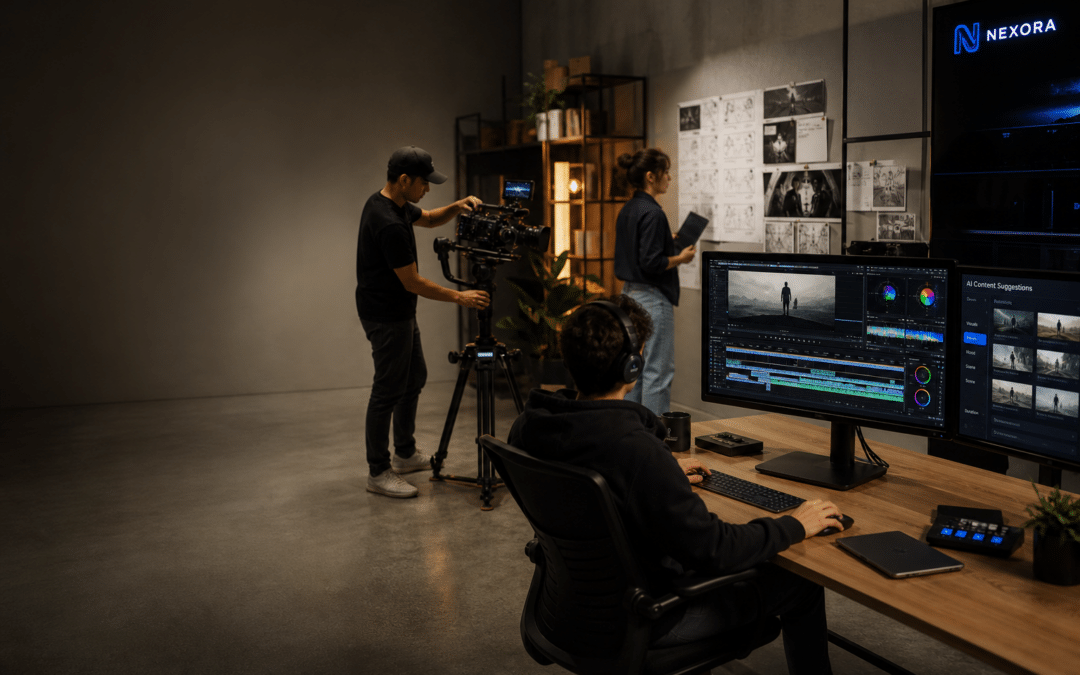
AI content creation advice in 2026 is dangerously out of sync with how platforms and audiences actually respond to automated video and copy. Most so-called “best practices” dangerously oversell speed and automation, while glossing over real-world pitfalls: compliance risks, indistinguishable content, and the growing crackdown on low-quality AI output by platforms like YouTube and TikTok. The hard truth? Winning brands aren’t just using AI—they’re building disciplined, review-driven workflows that blend automation with expert human oversight at every stage.
Key Takeaways
- Fully automated AI content pipelines fail to deliver on quality, compliance, or audience engagement—human review is non-negotiable, especially in regulated sectors.
- AI video production is standard in 2026, but differentiation, narrative clarity, and platform-specific compliance matter far more than raw output speed (AVB).
- Chasing every new AI tool wastes resources; the smartest brands tightly integrate only the platforms that fit real business needs and workflows.
- Most “AI content advice” ignores the reality of increased moderation, copyright, and disclosure enforcement by platforms like TikTok and YouTube—ignoring these risks can mean content takedowns or account penalties (Android Central).
- Sustainable AI content strategy in 2026 means prioritizing compliance, creative review, and ongoing measurement—not just plugging prompts into the latest tool.
Why Most AI Content Creation Advice in 2026 Misses the Mark
Much of the current advice around AI content creation is built on wishful thinking: that “faster equals better,” and that AI can replace human judgment wholesale. For instance, some guides recommend letting AI handle every step of video production or scaling output with no editorial filter—an approach that leads directly to generic, off-brand content and exposes brands to serious compliance risks.
Here’s what most get wrong: even the most advanced models, like Runway Gen-4.5—which now produces native 4K video, synchronized audio, and character consistency in a single pass (TechSifted)—still require expert human review. The promise of speed lulls teams into skipping crucial steps: editing, fact-checking, and checking for brand alignment. The fallout? Content that’s instantly forgettable at best, or worse, flagged by platforms for “AI slop” or missing required disclosures (Android Central).
The brands actually winning with AI content are those that use automation to accelerate “busywork”—but double down on human review, brand voice, and compliance. That’s the nuance missing from most “just automate it” advice in 2026.
How AI Video Creation Got Overhyped—and What Actually Drives Results
AI video creation is now table stakes. By 2026, platforms routinely deliver 4K resolution, synchronized audio, and up to 120-second clips (AVB). The hype? That more videos means better results. The reality: mass-produced AI videos are flooding feeds, but most are bland, undifferentiated, and easily flagged by platforms or ignored by viewers.
For example, TikTok is actively fighting a surge of low-quality AI-generated videos, rolling out tools to help users spot “AI slop” and prioritizing original creators in its algorithm (TechRadar). If your brand’s AI videos look and sound like everyone else’s, you’re not standing out—you’re blending into the noise.
What actually moves the needle? Brands that use AI as an accelerator—automating editing, adapting video formats for each platform, and running real-time A/B tests on hooks or calls-to-action—tend to see stronger engagement. But the difference-maker is human intervention: scripted nuance, custom visuals, and a final editorial polish. For practical examples tailored to niche industries, the 2026 AI brand video playbook for aesthetic clinics breaks down what actually gets noticed in saturated feeds.
What’s the Real Risk of “AI Slop,” Spam, and Compliance in 2026?
Most advice glosses over this: platforms are cracking down—hard—on low-quality, spammy, or undisclosed AI-generated content. YouTube, for example, now requires creators to disclose AI use on sensitive or newsworthy topics, and is rolling out new moderation systems to flag non-compliant uploads (Android Central). TikTok is not just flagging AI slop; it’s teaching users how to spot and report it (TechRadar).
“Set it and forget it” AI content pipelines are now a liability. In regulated industries like legal or healthcare, the stakes are even higher: a single unreviewed AI misstep could lead to legal exposure or public backlash. For law firms, the AI content creation playbook for law firms in 2026 details the extra review and signoff steps now necessary to stay compliant and credible.
Bottom line: if your AI content can’t withstand platform scrutiny, it’s built to fail. Smart brands now structure workflows for transparency, traceability, and mandatory human approval at every key stage.
Case in Point: A Framework for Spotting and Avoiding Bad AI Content Advice
To cut through the noise, use the S.A.F.E. Framework—a practical way to evaluate any AI content creation advice before you follow it:
-
Scrutinize Source and Motivation
Who’s sharing this advice? Is it a vendor hyping their own tool, or a practitioner with real campaign results? Don’t accept “AI best practices” at face value unless you see operational proof—ideally, a transparent case study or workflow breakdown. -
Assess Alignment With Your Brand and Workflow
Does the tactic actually fit your audience, voice, and preferred platforms? For instance, a workflow optimized for national e-commerce might be a disaster for a local HVAC company focused on Google rankings. The AI content creation guide for HVAC companies shows how one-size-fits-all advice usually fails in local service markets. -
Focus on Evidence, Not Hype
Good advice references real workflows, benchmarks, or platform rules—like YouTube’s disclosure requirements or TikTok’s AI moderation crackdown. If it sounds too good to be true (“just automate everything, no review needed”), treat it as untested or unrealistic. -
Examine Execution and Oversight Steps
What’s the process for review, compliance, and measurement? Any advice that skips human editing, brand signoff, or performance tracking is incomplete at best and risky at worst. For step-by-step guidance, see how to navigate Google’s 2026 update with AI content.
Applying the S.A.F.E. lens protects teams from burning time and budget on shortcuts that undermine quality, compliance, or business fit.
Which AI Content Creation Tools and Platforms Actually Matter Now?
The 2026 landscape is crowded with AI platforms promising “one-click” results. But when you compare tools by their actual business impact (not just features), the winners are clear—especially for video marketing:
| Platform | Best For | Key Features | Major Constraints |
|---|---|---|---|
| Runway Gen-4.5 | Cinematic video, ads, social clips | Native 4K, 60s clips, character consistency, audio sync | Steep learning curve, occasional uncanny visuals |
| OpenAI Sora 2 via MS Copilot | Corporate training, branded explainers | Human “cameos,” seamless integration with MS 365 | Enterprise price, limited creative controls |
| Descript AI | Podcast editing, fast video repurposing | Text-based editing, overdub, multi-format export | Less effective for highly visual, animated video |
| Canva Magic Studio | Social video, short-form content | Templates, AI voiceover, direct publish to social | Generic unless customized, lacks deep analytics |
What the “top 10 tools” lists miss: the best platform is the one that fits your workflow and goals, not just the flashiest demo. For example, an auto repair shop might get better results from a templated workflow in Canva than from a feature-rich but complex solution like Sora 2. For a breakdown of tool selection in specialized industries, see how to choose an AI content creation agency for auto repair shops.
Should You Automate Everything? Where Human Editors Still Matter Most
A persistent myth in 2026: AI can replace every content creation step—ideation, scripting, editing, even publishing. But while AI shines at first drafts, batch processing, and format adaptation, it consistently underperforms on nuance, compliance, and creative differentiation.
Consider a regional restaurant chain using AI to generate weekly video specials for social media. If they automate end-to-end, the results are competent but cookie-cutter, often missing local slang, seasonal context, or compliance with food advertising rules. But when a human editor tweaks the script for tone and double-checks for accuracy, engagement tends to climb and risk drops. For more on how these pitfalls play out, see common AI content creation mistakes costing restaurants leads.
The key insight: AI does the “busywork,” but only human editors can shape narrative, add emotion, and safeguard compliance. Automation delivers scale, but trust and distinction are still human territory.
What Does a Sustainable AI Content Strategy Look Like in 2026?
By now, every serious brand has dabbled in AI content tools. But the difference between fleeting experiments and sustainable results is a real strategy—one grounded in business goals, not tool demos or trends. Here’s a checklist for building an AI content strategy that sticks:
- Set Clear Objectives: Are you optimizing for awareness, leads, or conversions? AI scales output, but without defined KPIs, scale is meaningless.
- Map Content to Funnel Stages: Use AI for top-of-funnel explainer or educational videos, and reserve human resources for sales or regulatory content.
- Integrate Compliance and Disclosure Steps: Platforms like YouTube now require AI use disclosure—bake this into your workflow from day one (Android Central).
- Implement Ongoing Measurement: Use analytics tools to monitor performance, but schedule regular human review to check what’s actually resonating and what’s falling flat.
- Plan for Iteration: AI platforms update constantly—revisit your strategies quarterly to avoid stagnation and keep up with new platform rules.
For a detailed look at how cost structures and ROI modeling have shifted, see the 2026 AI content creation costs guide for industry-specific budgeting scenarios.
Where Are the Hidden Costs and Trade-Offs in AI Video and Content?
The biggest mistakes in AI marketing stem from ignoring the hidden costs of automation—especially with video. Most teams fixate on subscription fees or rendering time, but the real costs emerge in:
- Quality Control: More output means more to review. Without a robust QA process, errors and off-brand messaging inevitably slip through.
- Platform Moderation: TikTok and YouTube are tightening moderation; non-compliance can lead to takedowns, shadow bans, or lost reach.
- Brand Differentiation: The easier it is to generate “good enough” video, the harder it is to stand out. Brands must invest extra effort—custom visuals, unique hooks, narrative clarity—to avoid blending into the AI-generated crowd.
- Human Oversight: Even with the best AI, editorial, compliance, and creative review are essential. Many businesses underestimate this ongoing commitment and watch their content underperform as a result.
There’s no free lunch: AI video may cut some production costs, but the real investment shifts to oversight and creative quality. For a granular breakdown of these trade-offs, see the AI brand video production cost guide for 2026.
How Do You Build an Effective AI Content Creation Workflow?
The best AI content engines in 2026 don’t just automate—they blend automation with rigorous human checkpoints. Here’s a practical workflow to balance speed with quality:
- Briefing: Human strategist sets the campaign goal, target audience, and creative constraints.
- AI Generation: Use your chosen tool (like Runway Gen-4.5 for video, or ChatGPT for scripts) to produce first drafts or storyboards.
- Editing & Compliance Review: Human editor reviews for brand voice, accuracy, compliance with platform/legal guidelines, and ensures required disclosures are present.
- Platform Formatting: AI adapts outputs for different platforms (aspect ratios, captions, hooks for TikTok, YouTube, Instagram).
- Publishing & Monitoring: Human (or AI-assisted) review of performance metrics and moderation flags, with rapid iteration when issues surface.
This hybrid workflow is the only reliable defense against the pitfalls of over-automation. For more on integrating AI into your marketing stack, see the AI content creation service overview.
What Role Will AI Play in Content Creation—And Content Moderation—By 2027?
The worst AI content creation advice in 2026 is the advice that ignores where the market is headed: stricter moderation, more transparency, and smarter detection of synthetic content. For example, Microsoft’s integration of OpenAI’s Sora 2 into Copilot brings advanced AI video to every corporate user—while also making branded video content easier to trace and audit for authenticity (Windows Central).
The real winners will be those who treat AI as a multiplier—not a crutch for lazy automation. As platforms raise the bar for quality and disclosure, brands able to blend AI scale with unmistakable human voice and oversight will gain the advantage. For practical strategies, the AI social media management guide and brand video creation service pages detail how collaboration between humans and AI beats either alone.
In summary: Ignore the extremes. Don’t trust full automation, but don’t miss the efficiency AI brings. Build a workflow that’s S.A.F.E.—evidence-based, aligned with your brand, and ready for scrutiny from platforms and real audiences. That’s how you future-proof your content strategy for 2026 and beyond—whether you’re a local business, a global brand, or working independently or with a partner like Lion Click Media.
Frequently Asked Questions
Is AI text content still useful in 2026?
AI text content remains useful for ideation and supplementing multimedia, but relying on it alone often leads to generic, low-impact results.
How does AI-assisted video improve brand engagement?
AI-assisted video combines data-driven scripting and editing with human creativity, producing emotionally engaging stories that capture attention better than text.
Can small businesses afford cinematic AI video content?
Many small businesses budget in the low-to-mid four figures monthly to produce quality AI-assisted videos, balancing cost with strong engagement benefits.
What tools support AI content optimization for SEO?
Tools like Google Search Central guidelines, schema.org for structured data, and AI SEO platforms help optimize content visibility and ranking.
Should I focus on DIY AI content or hire an agency?
DIY AI tools suit quick, basic content needs; complex brands benefit more from agencies that provide strategic, cinematic AI video and integrated marketing.
How do I measure AI content’s effectiveness beyond views?
Track engagement metrics like watch time, social shares, lead form completions, and conversion rates to gauge real impact.
Is AI live chat useful alongside AI content creation?
Yes, AI live chat complements content by capturing leads and answering queries 24/7, improving conversion and customer experience.
Get Your Free AI Marketing Audit
See exactly where you are leaving leads on the table and how Lion Click Media can help you rank higher, capture more customers, and Make Your Brand ROAR. No cost, no obligation.
Claim My Free Audit →Or chat with our 24/7 AI assistant (bottom-right) for instant answers.